



D2 Receptor
Dopamine D2 receptor (D2R) provides negative-feedback control of dopamine neuron firing, dopamine synthesis, reuptake, and release, making it a core regulator of dopaminergic transmission[1]. Mechanistically, D2R signaling connects Gi activation, β-arrestin recruitment, receptor trafficking, and striatal A2A-D2R-AC5 complexes that integrate adenosine and dopamine signals in striatopallidal neurons[2][3][4]. In disease models, altered D2R signaling appears in schizophrenia-related assays, DYT1 dystonia, Huntington’s disease models, Parkinson’s disease research, and substance-use-disorder biology[1][2][5][6][7]. Compared with related isoforms, D2R-short, but not D2R-long, couples to the RhoA/ROCK/cofilin pathway and contributes to striatal vulnerability to expanded huntingtin[6]. This isoform distinction is experimentally important because D2R-short also supports dopamine- and TGFβ1-mediated growth inhibition in pituitary lactotropes[8]. For research applications, D2R agonists such as quinpirole, bromocriptine, ropinirole-related ligands, and radiolabeled MCL-536 help define receptor activity, D2high states, and disease-linked signaling responses[7][9][10]. D2R antagonists including haloperidol and clozapine show concentration-dependent dopamine antagonism, while haloperidol displays stronger β-arrestin-2 inhibition than Gi antagonism under specific assay conditions[2].
References:
- [1]. Chen R, et al. Dopamine D2 autoreceptor interactome: Targeting the receptor complex as a strategy for treatment of substance use disorder. Pharmacol Ther. 2020 Sep;213:107583. [Content Brief]
- [2]. Silva RR, et al. Evaluation of Functional Selectivity of Haloperidol, Clozapine, and LASSBio-579, an Experimental Compound With Antipsychotic-Like Actions in Rodents, at G Protein and Arrestin Signaling Downstream of the Dopamine D2 Receptor. Front Pharmacol. 2019 Jun 4;10:628. [Content Brief]
- [3]. Tirotta E, et al. Signaling by dopamine regulates D2 receptors trafficking at the membrane. Cell Cycle. 2008 Jul 15;7(14):2241-8. [Content Brief]
- [4]. Ferré S, et al. Essential Control of the Function of the Striatopallidal Neuron by Pre-coupled Complexes of Adenosine A2A -Dopamine D2 Receptor Heterotetramers and Adenylyl Cyclase. Front Pharmacol. 2018 Apr 9;9:243. [Content Brief]
- [5]. Scarduzio M, et al. Strength of cholinergic tone dictates the polarity of dopamine D2 receptor modulation of striatal cholinergic interneuron excitability in DYT1 dystonia. Exp Neurol. 2017 Sep;295:162-175. [Content Brief]
- [6]. Galan-Rodriguez B, et al. Coupling of D2R Short but not D2R Long receptor isoform to the Rho/ROCK signaling pathway renders striatal neurons vulnerable to mutant huntingtin. Eur J Neurosci. 2017 Jan;45(1):198-206. [Content Brief]
- [7]. Subburaju S, et al. The High Affinity Dopamine D2 Receptor Agonist MCL-536: A New Tool for Studying Dopaminergic Contribution to Neurological Disorders. ACS Chem Neurosci. 2021 Apr 21;12(8):1428-1437. [Content Brief]
- [8]. Sarkar DK, et al. Dopamine, dopamine D2 receptor short isoform, transforming growth factor (TGF)-beta1, and TGF-beta type II receptor interact to inhibit the growth of pituitary lactotropes. Endocrinology. 2005 Oct;146(10):4179-88. [Content Brief]
- [9]. Subburaju S, et al. New Dopamine D2 Receptor Agonist, [3H]MCL-536, for Detecting Dopamine D2high Receptors in Vivo. ACS Chem Neurosci. 2018 Jun 20;9(6):1283-1289. [Content Brief]
- [10]. Mickevicius NJ. Locally Linearized Approximation of RF Pulse Propagators for Faster Simulation of Magnetization Dynamics With Slice Profile Effects in 2D MR Fingerprinting. Magn Reson Med. 2026 Jun 8. doi: 10.1002/mrm.70462. Epub ahead of print. PMID: 42260330. et al. Locally Linearized Approximation of RF Pulse Propagators for Faster Simulation of Magnetization Dynamics With Slice Profile Effects in 2D MR Fingerprinting. Magn Reson Med. 2026 Jun 8. [Content Brief]
-
D2 Receptor 관련 제품 (296)
관련 제품 (296)

-
Haloperidol
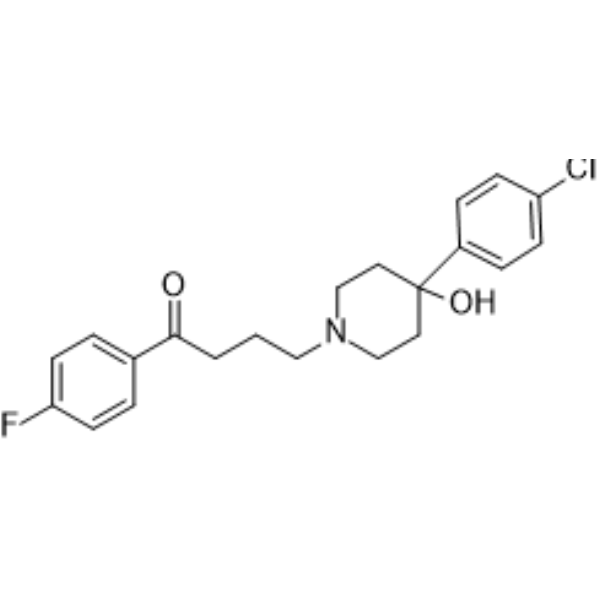 0 ImagesHaloperidol is a potent dopamine D2 receptor antagonist, widely used as an antipsychotic agent. Haloperidol can be used in the study of schizophrenia, tics in Tourette syndrome, mania in bipolar disorder, delirium, agitation, acute psychosis, and hallucinations from alcohol withdrawal.
-
Clozapine
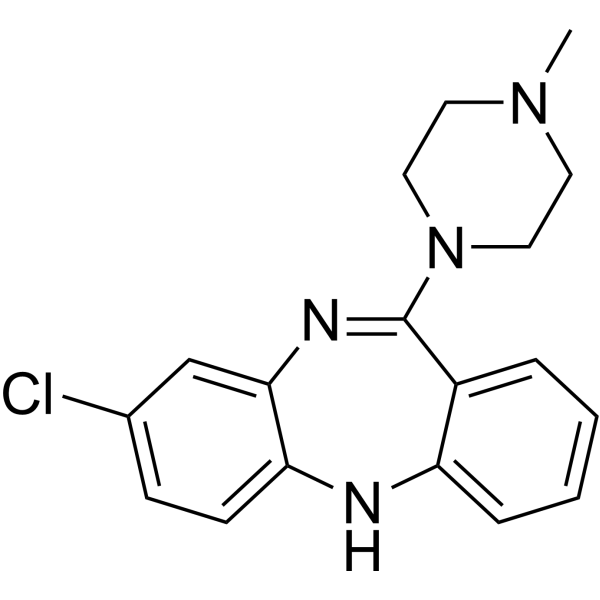 0 ImagesClozapine (HF 1854) is an antipsychotic used for the research of schizophrenia. Clozapine has high affinity for a number of neuroreceptors. Clozapine is a potent antagonist of dopamine D2 with a Ki of 75 nM. Clozapine inhibits the muscarinic M1 receptor and serotonin 5HT2A receptor with Kis of 9.5 nM and 4 nM, respectively. Clozapine is also a potent and selective agonist at the muscarinic M4 receptor (EC50=11 nM).
-
Risperidone
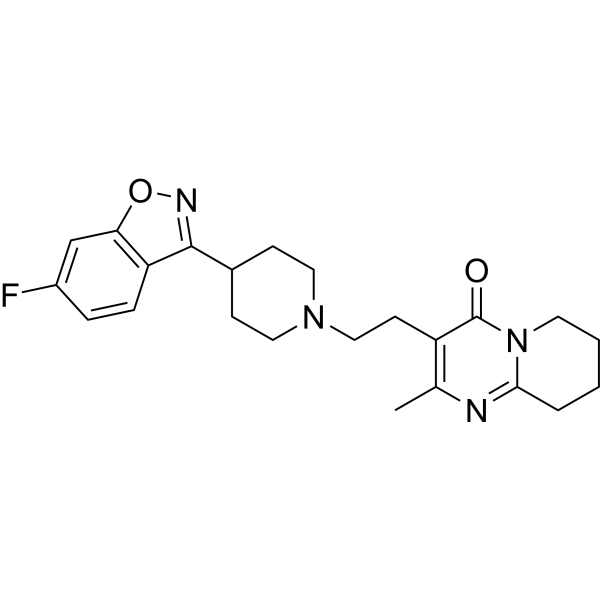 0 ImagesSynonyms: R 64 766Risperidone is a serotonin 5-HT2 receptor blocker, P-Glycoprotein inhibitor and potent dopamine D2 receptor antagonist, with Kis of 4.8, 5.9 nM for 5-HT2A and dopamine D2 receptor, respectively.
-
Bromocriptine mesylate
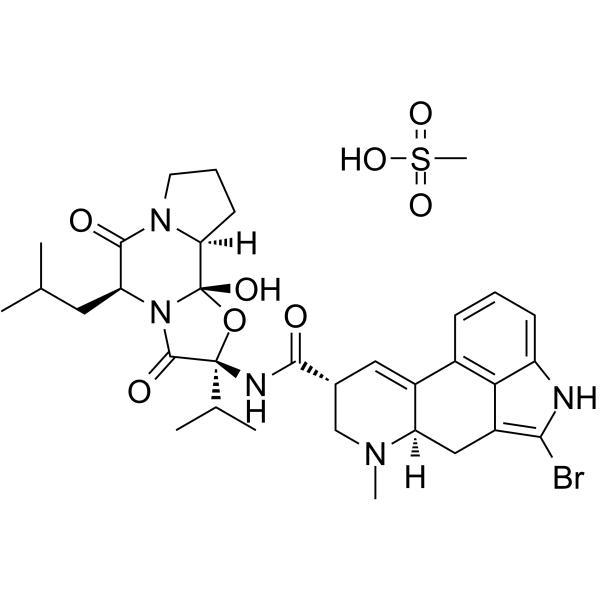 0 ImagesSynonyms: CB-154Bromocriptine mesylate is a potent dopamine D2/D3 receptor agonist, which binds D2 dopamine receptor with pKi of 8.05. Bromocriptine mesylate is permeable to the blood-brain barrier.
-
Aripiprazole
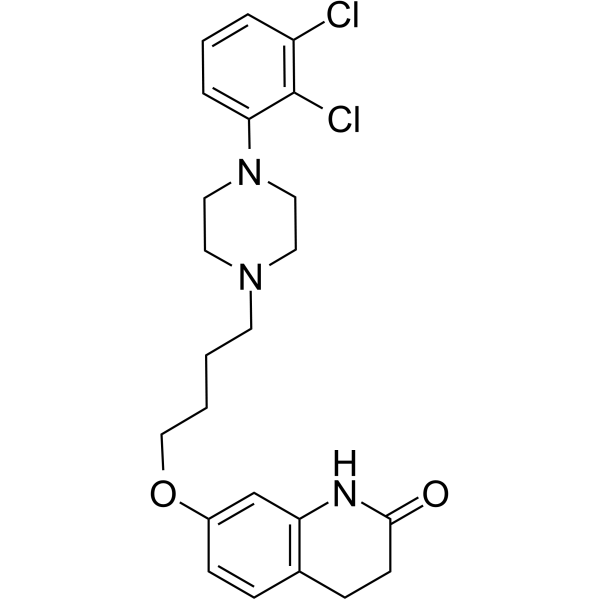 0 ImagesSynonyms: OPC-14597Aripiprazole (OPC-14597), an atypical antipsychotic, is a potent and high-affinity dopamine D2 receptor partial agonist. Aripiprazole is an inverse agonist at 5-HT2B and 5-HT2A receptors and displays partial agonist actions at 5-HT1A, 5-HT2C, D3, and D4 receptors. Aripiprazole can be used for the research of schizophrenia and COVID19.
-
Paliperidone
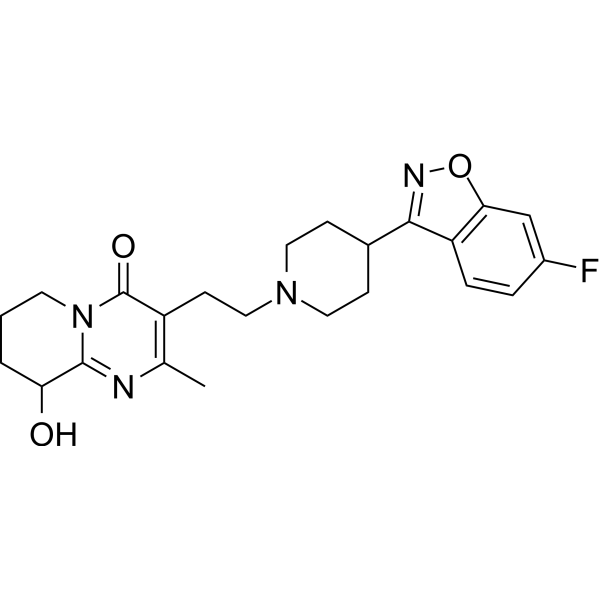 0 ImagesSynonyms: 9-HydroxyrisperidonePaliperidone (9-Hydroxyrisperidone), the major active metabolite of Risperidone, is a dopamine D2 antagonist and 5-HT2A antagonist. Paliperidone is also active as an antagonist at α1 and α2 adrenergic receptors and H1-histaminergic receptors. Paliperidone, a antipsychotic agent, shows efficacy against schizophrenia.
-
Pramipexole dihydrochloride
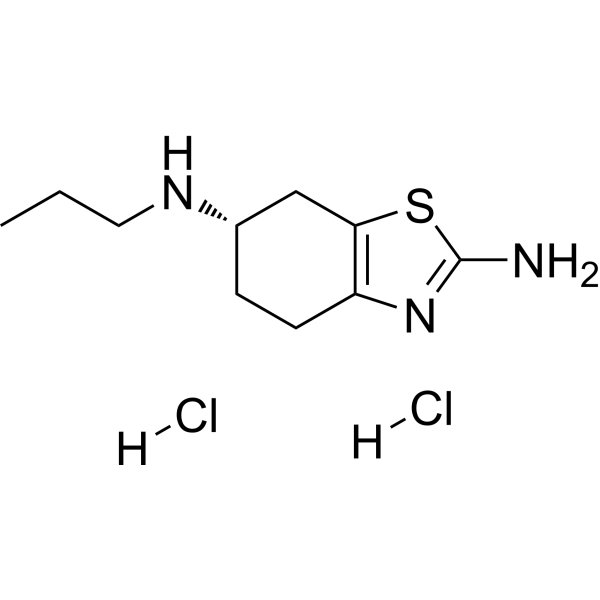 0 ImagesPramipexole dihydrochloride is a selective and blood-brain barrier (BBB) penetrant dopamine D2-type receptor agonist, with Kis of 2.2 nM, 3.9 nM, 0.5 nM and 1.3 nM for D2-type receptor, D2, D3 and D4 receptors, respectively. Pramipexole dihydrochloride can be used for the research of Parkinson's disease (PD) and restless legs syndrome (RLS).
-
Brexpiprazole S-oxide-d8
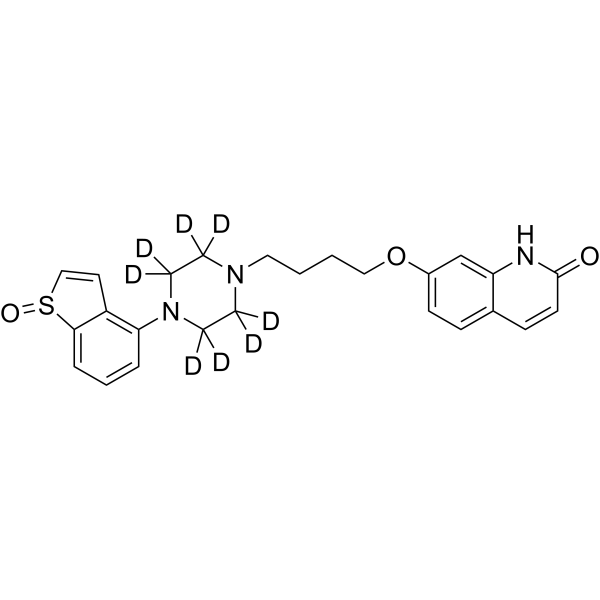 0 ImagesSynonyms: DM-3411 d8Brexpiprazole S-oxide-d8 (DM-3411 D8) is the deuterated-labeled Brexpiprazole S-oxide (HY-133152). Brexpiprazole S-oxide (DM-3411) is a metabolite of Brexpiprazole (HY-15780). Brexpiprazole S-oxide is a dopamine D2 receptor ligand that binds to the human dopamine D2L receptor with a Ki of 5.01 nM. Brexpiprazole S-oxide can be used for research on schizophrenia.
-
Sulpiride
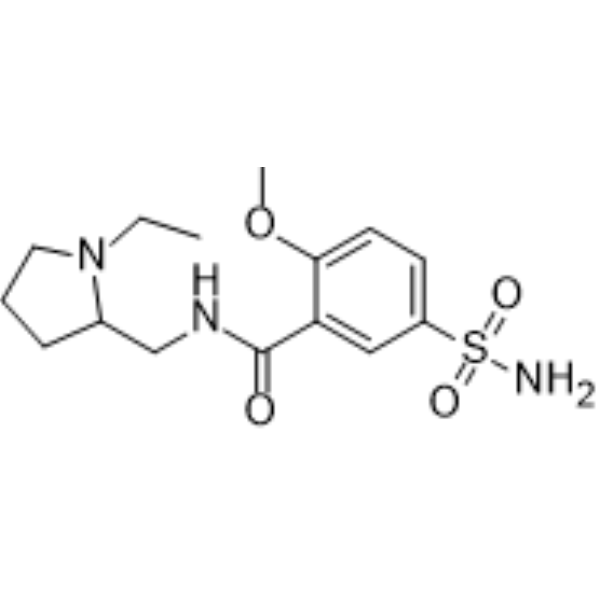 0 ImagesSulpiride is an orally active dopamine D2/D3 receptor antagonist. Sulpiride is an atypical antipsychotic agent of the benzamide family. Sulpiride can be used in research into anxiety, depression and breast cancer.
-
Brexpiprazole
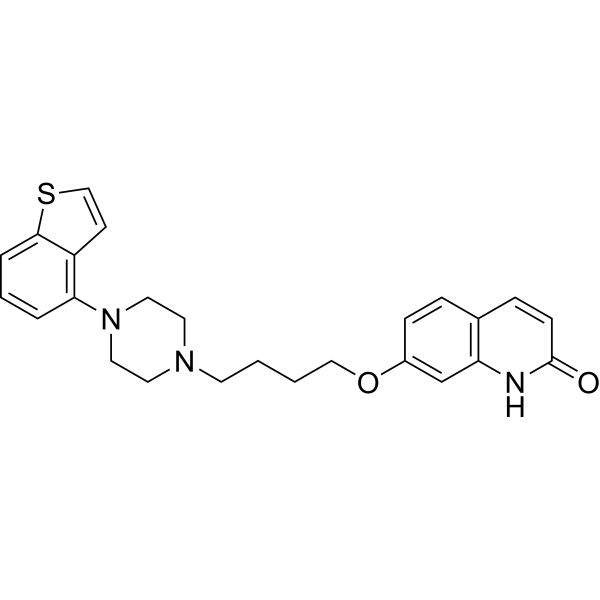 0 ImagesSynonyms: OPC-34712Brexpiprazole (OPC-34712), an atypical orally active antipsychotic agent, is a partial agonist of human 5-HT1A and dopamine D2L receptor with Kis of 0.12 nM and 0.3 nM, respectively. Brexpiprazole is also a 5-HT2A receptor antagonist with a Ki of 0.47 nM. Brexpiprazole also shows potent antagonist activity at human noradrenergic α1B (Ki=0.17 nM) and α2C receptors (Ki=0.59 nM).
-
Penfluridol
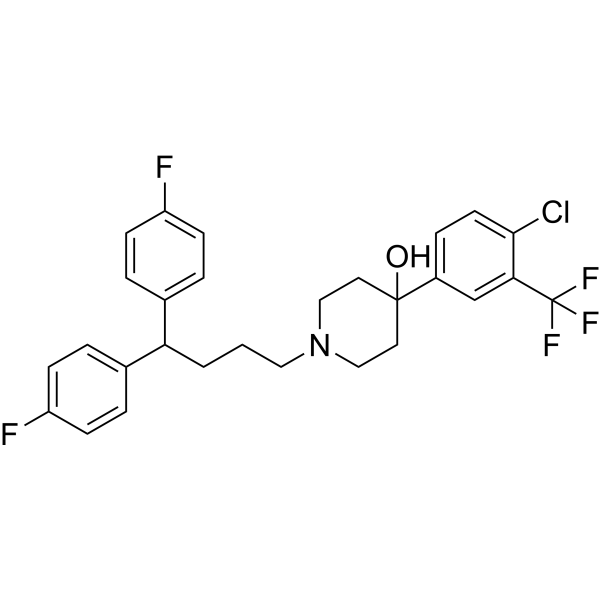 0 ImagesSynonyms: R-16341Penfluridol (R-16341) is a potent, long-acting, first-generation, oral diphenylbutylpiperidine antipsychotic agent by targeting D2-like dopamine receptor. Penfluridol effectively inhibits TNFα-induced NF-κB activation and alleviates the severity of arthritis and colitis in vivo. Penfluridol is a Ca2+-calmodulin inhibitor. Penfluridol induces apoptosis and autophagy. Penfluridol is used for chronic schizophrenia, acute psychosis, Tourette syndrome and autoimmune diseases. Penfluridol inhibites the growth of E. faecalis planktonic cells with the MIC of 7.81 μg/ml.
-
Raclopride
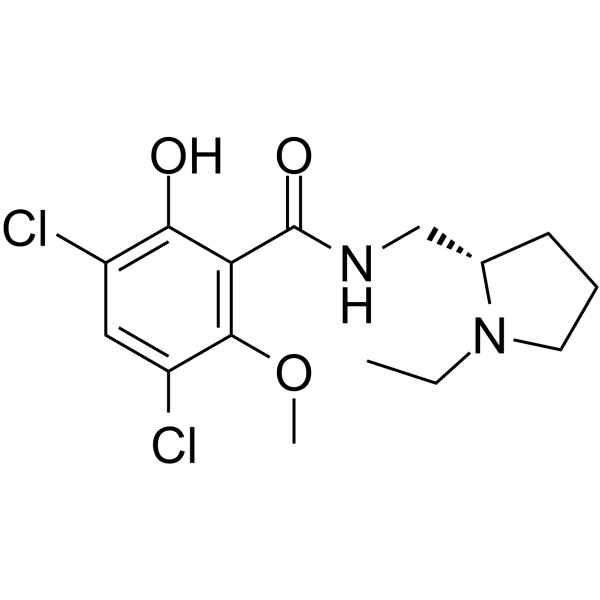 0 ImagesRaclopride is a dopamine D2/D3 receptor antagonist with potential antipsychotic effects. Raclopride binds to D2 and D3 receptors with Kis of 1.8 nM and 3.5 nM, respectively.
-
Cabergoline
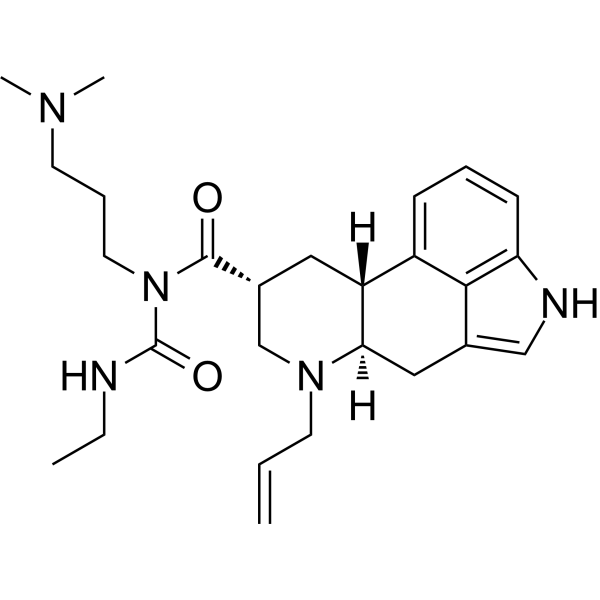 0 ImagesSynonyms: FCE-21336Cabergoline is an ergot derived-dopamine D2-like receptor agonist that has high affinity for D2, D3, and 5-HT2B receptors (Ki=0.7, 1.5, and 1.2, respectively).
-
Buspirone
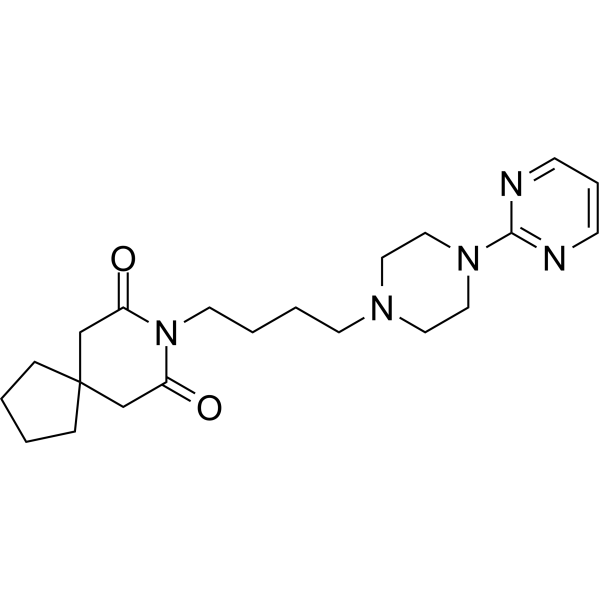 0 ImagesBuspirone is an orally active 5-HT1A receptor agonist, and a dopamine D2 autoreceptorsant antagonist. Buspirone is an anxiolytic agent, and can be used for the generalized anxiety disorder research.
-
Tetrabenazine
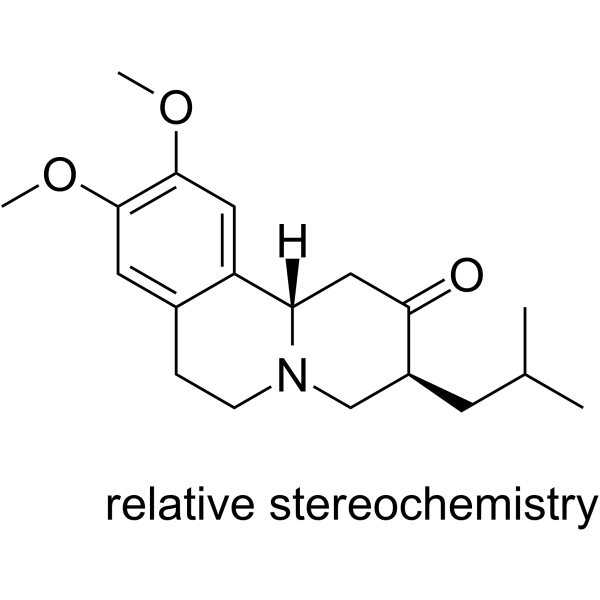 0 ImagesTetrabenazine (Ro 1-9569) is a brain-penetrant and orally active VMAT2-selective ligand with human VMAT2 Ki 100 nM. Tetrabenazine binds VMAT2 to block monoamine uptake into synaptic vesicles, potentiates cytoplasmic monoamine degradation. Tetrabenazine weakly blocks dopamine D2 receptors, and increases dopamine turnover via elevated cerebrospinal fluid homovanillic acid. Tetrabenazine can be used for the research of Huntington’s disease, tardive dyskinesia, and Tourette’s syndrome.
-
Ritanserin
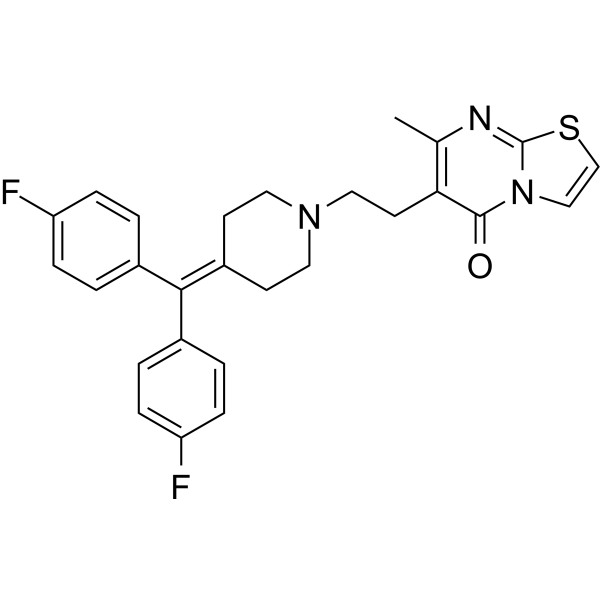 0 ImagesSynonyms: R 55667Ritanserin (R 55667) is a highly potent, relatively selective, orally active, long acting antagonist of 5-HT2 receptor, with an IC50 of 0.9 nM, less active on Histamine H1, Dopamine D2, Adrenergic α1, Adrenergic α2 receptors.
-
Nuciferine
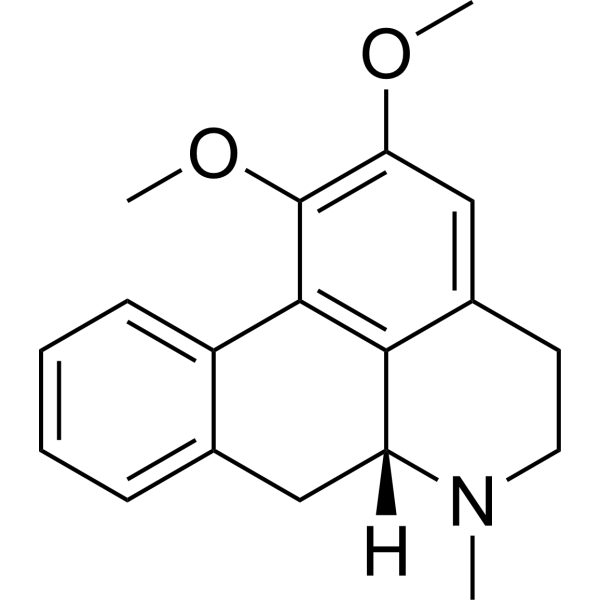 0 ImagesNuciferine is an antagonist at 5-HT2A (IC50=478 nM), 5-HT2C (IC50=131 nM), and 5-HT2B (IC50=1 μM), an inverse agonist at 5-HT7 (IC50=150 nM), a partial agonist at D2 (EC50=64 nM), D5 (EC50=2.6 μM) and 5-HT6 (EC50=700 nM), an agonist at 5-HT1A (EC50=3.2 μM) and D4 (EC50=2 μM) receptor.
-
Cariprazine
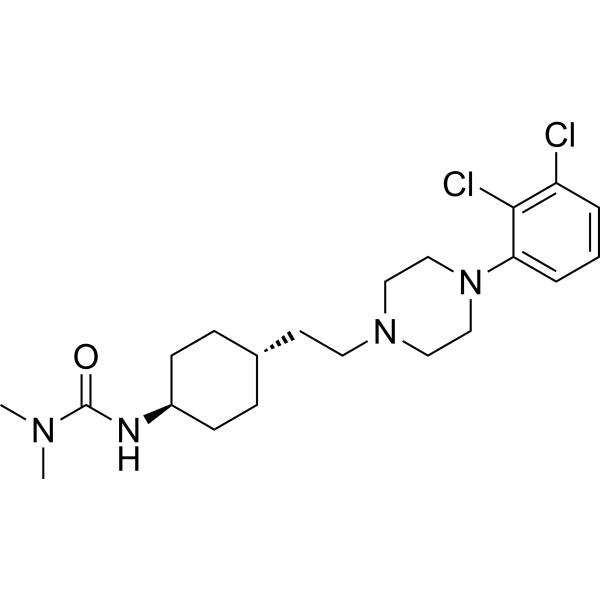 0 ImagesSynonyms: RGH-188Cariprazine is a novel antipsychotic agent candidate that exhibits high affinity for the D3 (Ki=0.085 nM) and D2 (Ki=0.49 nM) receptors, and moderate affinity for the 5-HT1A receptor (Ki=2.6 nM).
-
Rotigotine
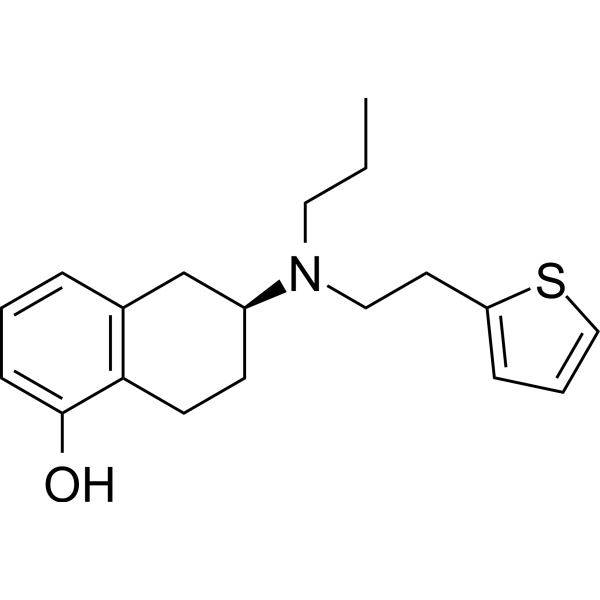 0 ImagesSynonyms: N-0923; (-)-N 0437Rotigotine is a potent dopamine receptor agonist with Ki values of 0.71 nM, 4-15 nM, and 83 nM for the dopamine D3 receptor and D2, D5, D4 receptors and dopamine D1 receptor. Rotigotine a partial agonist of the 5-HT1A receptor, and an antagonist of the α2B-adrenergic receptor. Rotigotine can be used for parkinson's disease (PD) research.
-
Ziprasidone
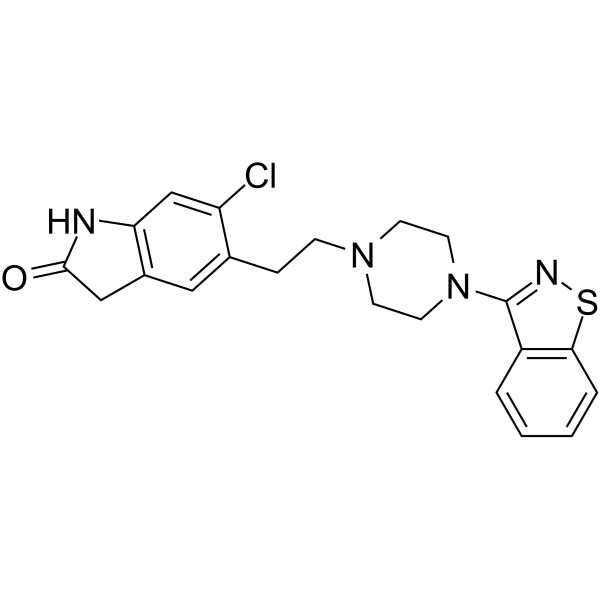 0 ImagesSynonyms: CP-88059Ziprasidone (CP-88059), an orally active antipsychotic agent, is a combined 5-HT and dopamine receptor antagonist. Ziprasidone mesylate trihydrate has affinities for Rat D2 (Ki=4.8 nM), 5-HT2A (Ki=0.42 nM) and 5-HT1A (Ki=3.4 nM).



